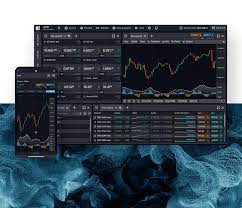
The foreign exchange (forex) market is the largest and most liquid financial market in the world, operating 24 hours a day and facilitating trillions of dollars in daily transactions. It offers a dynamic environment with vast potential for traders, investors, and institutions. However, alongside its many opportunities, the forex market presents a unique set of challenges that require knowledge, preparation, and disciplined execution.
Opportunities in the Forex Market
One of the most attractive features of the forex market is its accessibility. Unlike traditional stock markets that operate during specific hours, the forex market runs continuously across major financial centers—London, New York, Tokyo, and Sydney—enabling participants to trade at virtually any time.
Additionally, the forex market allows for significant profit potential due to its high liquidity and frequent price fluctuations. Traders can take advantage of both rising and falling markets by buying (going long) or selling (going short) currency pairs, offering flexibility in various economic conditions.
The availability of leverage is another appealing aspect. With relatively small capital, traders can control larger positions, potentially amplifying gains. While leverage should be used cautiously, it provides the means to participate in the market more actively.
Forex trading is also influenced by macroeconomic indicators, monetary policy, and geopolitical developments, providing numerous data-driven opportunities for informed decision-making. Traders who can accurately interpret these signals can position themselves to benefit from market trends and short-term volatility.
Challenges Faced by Forex Traders
Despite its advantages, the forex market is not without risk. One of the biggest challenges is its volatility. Currency values can shift rapidly due to economic news, interest rate changes, or unexpected geopolitical events. Without a solid strategy and risk management plan, traders may find it difficult to navigate such swift movements.
Leverage, while potentially beneficial, can also magnify losses. Overexposure to the market without proper risk controls can lead to significant capital depletion. Professional risk management practices—such as setting stop-loss orders and managing position sizes—are essential to mitigate this danger.
Another challenge lies in the need for consistent discipline. Emotional trading, driven by fear or greed, often results in poor decisions. Forex traders must develop the mental resilience to stick to their plans, avoid overtrading, and remain objective during market swings.
Moreover, the sheer volume of information in the forex market can be overwhelming, particularly for new traders. Successful trading requires not only understanding technical and fundamental analysis but also staying informed about global economic events and monetary policy shifts.
Striking the Right Balance
To maximize the opportunities and overcome the challenges in the forex market, traders must adopt a professional and structured approach. This includes crafting a clear trading plan, practicing effective risk management, maintaining emotional discipline, and continuously building market knowledge.
Education, experience, and adaptability are key components of long-term success. The most accomplished traders are those who view forex trading as a discipline rather than a gamble, approaching the market with patience, research, and a long-term perspective.
Conclusion
The forex market presents a compelling mix of opportunities and challenges. While its size and liquidity offer ample room for strategic profit-making, the risks require careful navigation. For those who commit to learning and apply sound practices, the forex market can be a rewarding arena for financial growth and professional development.